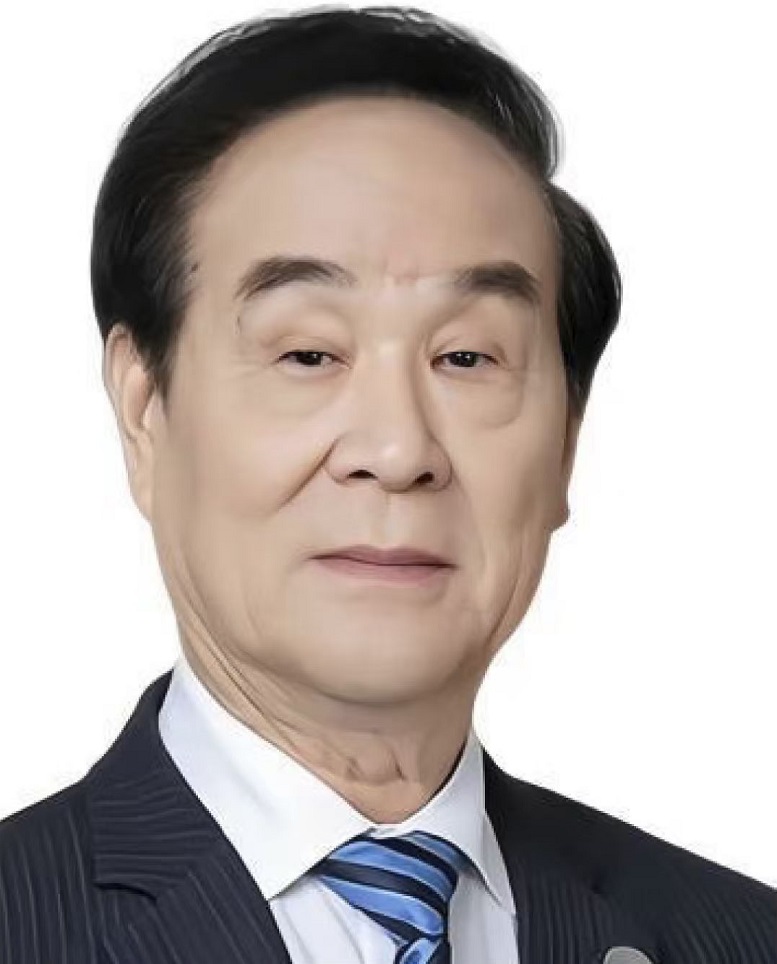
刘庭芳 教授
Prof. Liu Tingfang | Academician & Expert in Healthcare Management
About
Liu Tingfang, Director of the Department of Healthcare Management and Evaluation, China Center for Health Economic Research, Peking University; Senior Research Fellow, Institute for Global Health and Development, Peking University. Founder and Executive Deputy Chair of the International Academic Committee, as well as Member of the Postgraduate Training Committee, Institute of Hospital Management, Tsinghua University. Responsible Professor for the Tsinghua University MOOC Theory and Practice of Hospital Quality Control Circles, a national‑level top‑tier online undergraduate course available on the National Higher Education Smart Education Platform.
Founding Chair, Distinguished Professor and Doctoral Supervisor, Department of Hospital Leadership and Management, School of Health Policy and Management, Peking Union Medical College. Honorary Professor and Doctoral Supervisor, Wenzhou Medical University; Director and Chief Expert of the PROMs Research and Translation Center; Chief Expert and founding member for Healthcare Management at the School of Public Health, Wenzhou Medical University; Chief Scientist of the Institute for Great‑Health Studies, Wenzhou Medical University. Adjunct Professor at The Hong Kong Polytechnic University, Adjunct Postgraduate Supervisor at the Institute of Geographic Sciences and Natural Resources Research, Chinese Academy of Sciences. Former Honorary Director of the Institute of Healthcare Management, Wuhan University; Former Chief Scientist of the Yangtze River Delta Health Institute, Shanghai Jiao Tong University; Former Adjunct Professor and Advisor at three institutions including Chinese PLA General Hospital. He has served or is serving as Executive Deputy Editor‑in‑Chief, Editorial Board Member or Chair of Expert Committees for six domestic and international healthcare‑management journals, and acted as advisor for health‑development planning for six provincial and municipal governments across China.
Academic & Social Affiliations Member of the 3rd Advisory Expert Committee of the State Council Healthcare Reform Leading Group; Member of the 1st, 2nd and 3rd Expert Advisory Committee on Reform and Development, National Administration of Traditional Chinese Medicine; Member of the first DRG Expert Panel of the National Healthcare Security Administration; Deputy Chair of the 1st and 2nd Expert Committees, National Health Commission Capacity‑Building and Continuing Education Guidance Center.
He previously served as Chair of sub‑committees under five national first‑grade academic societies. Currently he holds positions including Chair of the Healthcare, Health and Science‑Technology Management Committee, Chinese Society of Management Science; Chief Senior Expert of the Beijing Translational Medicine Society, Honorary President of the Bethune Committee for Humanistic Arts and Hospital Development. He is President of the Chinese Hospital Quality Control Circle Alliance, President of the International Federation of Hospital Quality Control Circles (IFHQCC), Life Fellow of the ISQua‑IAQS International Academy for Quality and Safety in Health Care, Expert of the ISQua Expert Pool, Vice‑President of the Asian Quality Function Deployment Association, WHO‑ISQua China‑representative for healthcare‑associated infection surveys, and Member of the International Hospital Federation (IHF).
Practical Experience With hands‑on administrative experience at provincial‑level and grassroots hospitals, he has held hospital president positions at multiple medical institutions including Fengyang No.1 People’s Hospital, Fengyang No.2 People’s Hospital, Anhui Provincial Children’s Hospital and Hainan Provincial No.2 People’s Hospital. He undertook three national foreign‑aid medical missions spanning six years in total. He has organized and delivered four international healthcare‑cooperation projects under the Belt and Road Initiative, and conducted academic visits and exchanges in 37 countries and regions worldwide.
ACADEMIC ACHIEVEMENTS
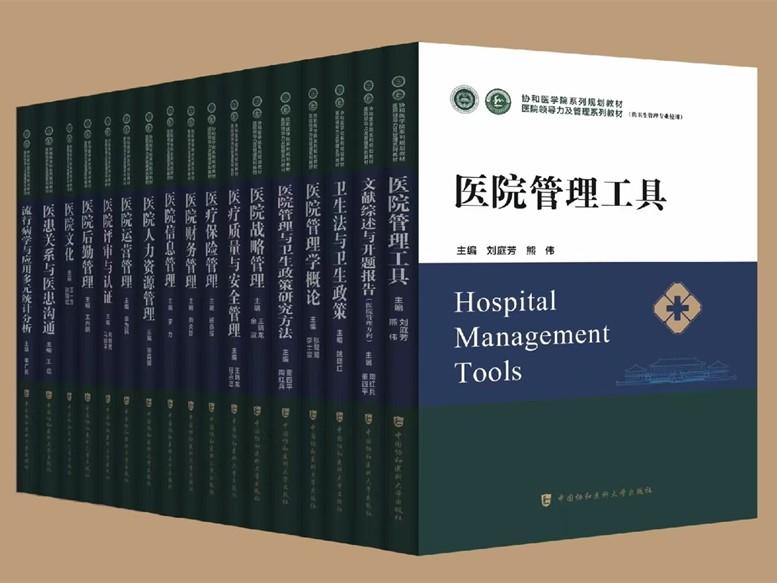
He has presided over more than 50 vertical and horizontal research projects, published 250 academic papers including over 40 SCI‑indexed articles. He is chief editor of Asia’s first series of healthcare‑management textbooks (18 volumes), which won the 2024 Special‑Grade Academic Award issued by the Chinese Society of Management Science. He has compiled or co‑authored 18 monographs and two translated works. He proposed indigenous hospital‑evaluation theories including the Chinese‑style “Double First‑Class” hospital evaluation framework, peri‑evaluation matrix and three‑dimensional management theory. He developed the Kunpeng training model for postgraduate hospital‑management education. At Peking University, he served as Deputy Chief Investigator for a National Natural Science Foundation General Project (Chief Investigator: Liu Guoen), which received an outstanding research‑achievement award for Peking University humanities and social sciences. He has supervised more than 50 post‑doctoral researchers and postgraduate students.
Awards & Honors:
He has received 36 awards including the Outstanding Contribution Award for Chinese Hospital Management.
Research Interests:
Health‑care system reform, health policy and hospital management, healthcare quality and patient safety, third‑party evaluation of medical institutions, international medical tourism.
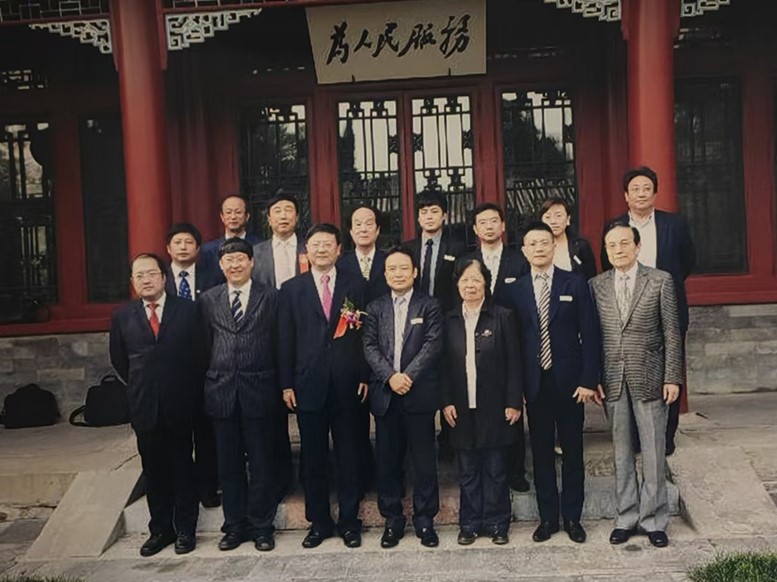
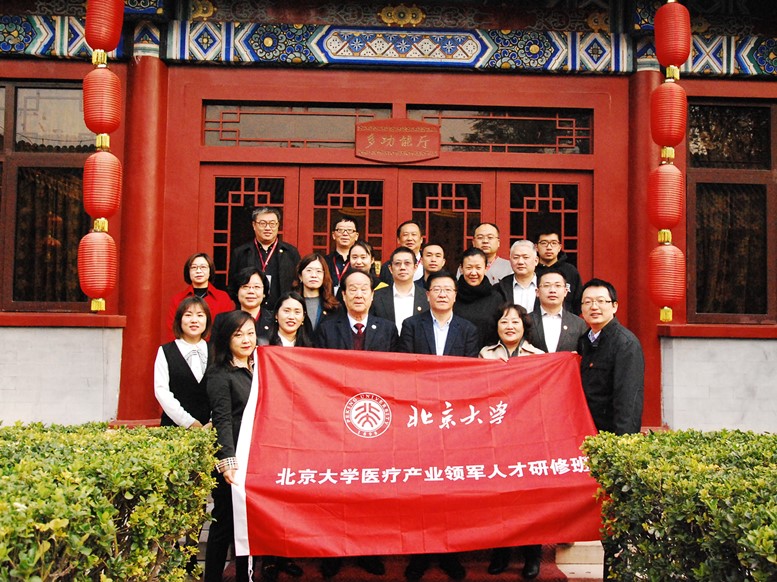
12 PIONEERING INNOVATIONS IN CHINA (CHRONOLOGICAL ORDER)
全国第一家医院实行电话预约挂号(安徽凤阳县第二医院),开创中国门诊预约管理先河。
Implemented China's first hospital telephone appointment registration system (Fengyang 2nd Hospital, Anhui), pioneering outpatient appointment management in China.全国最早创建省县医院联合体,是我国医联体、分级诊疗最早雏形。
Established the earliest Provincial-County Hospital Consortium in China, forming the prototype of medical alliances and tiered healthcare delivery.全国最早提出农村卫生人才菜单式(订单式)培养模式,开启基层卫生人才精准供给改革。
Proposed the earliest "menu-style" (targeted) training model for rural health talents, launching reforms in precision supply for primary healthcare workforce.全国最早提出医疗健康旅游概念,写入海南省规划,为博鳌乐城先行区奠定理论基础。
First introduced the concept of medical health tourism in China, incorporated into Hainan Province's plan, laying the theoretical foundation for Boao Lecheng Pilot Zone.全国最早系统提出县乡村卫生管理一体化,是县域医共体、紧密型医共体最早理论源头。
Systematically proposed county-township-village health management integration, serving as the earliest theoretical origin for county-level medical consortia.全国最早引入并本土化追踪方法学,率先试点、推动纳入国家医院评审体系。
First introduced and localized Tracer Methodology in China, piloting it and driving its inclusion into the national hospital accreditation system.全国最早创建省级第三方医院评价机构,开创中国独立第三方医院评价模式。
Established China's first provincial third-party hospital evaluation institution, pioneering independent third-party hospital evaluation modes.全国首创 “围评价期” 医院评价理论,填补医院评价理论空白。
Pioneered the "Peri-Evaluation Period" hospital evaluation theory, filling a gap in international hospital evaluation literature.创建中国大陆首家医院管理高等教育专门机构(清华大学医院管理研究院),开创医院管理研究生教育。
Founded Mainland China's first specialized higher education institution for hospital management (Tsinghua IHME), pioneering graduate hospital management education.发起并创办全国首届医院品管圈大赛,创建中国品管圈联盟,被誉为中国品管圈之父。
Initiated China's 1st Hospital QCC Competition and created China Hospital QCC Alliance, hailed as the "Father of Hospital QCC in China."主编首创《医院管理工具》教材,构建三维管理工具体系;主编亚洲第一套医疗管理研究生系列教材。
Chief-edited world's first "Hospital Management Tools" textbook; Chief-edited Asia's first graduate textbook series in healthcare management (18 volumes).后续落地:首创医疗管理研究生鲲鹏培养模式,构建中国本土化研究生教育范式,应用于清华、协和。
Pioneered the "Kungpeng Model" for graduate healthcare management education, applied at Tsinghua University and Peking Union Medical College.ACADEMIC & INDUSTRY LEADERSHIP
Professor Liu Tingfang is one of the founders and pioneers of hospital management discipline in China. He has long‑engaged in both higher‑education healthcare‑management teaching and industrial practice, and is a representative expert featuring a closed‑loop integration of theory, teaching and practical implementation.
刘庭芳教授是国内医院管理学科奠基者与开拓者之一,横跨高校医管教育与行业实践两大领域,属于理论‑教学‑实务闭环式发展的代表性专家。As the founder of the Institute of Hospital Management, Tsinghua University and the founding director of the Department of Hospital Leadership and Management, Peking Union Medical College, he led the establishment of postgraduate training systems for hospital management at top‑tier universities and took part in discipline building for many other higher‑learning institutions. He put forward the innovative “Kunpeng Model” for postgraduate talent cultivation and built a three‑in‑one training system integrating discipline establishment, complete textbook series and innovative training modes. Working together with Academician Wang Chen, he has presided over compiling the first‑ever 18‑volume postgraduate textbook series on hospital management in Asia. His course on hospital quality control circles has won national high‑quality course awards and been promoted worldwide. Serving as doctoral and post‑supervisor at multiple universities, his teaching focuses on practical capacities including hospital operation and quality management, which has advanced hospital management to become an independent academic discipline.
作为清华大学医院管理研究院创始人、北京协和医学院医院领导力与管理学系创系主任,他牵头搭建顶尖高校医管研究生培养体系,参与多所院校医管学科建设,创新提出医管研究生 “鲲鹏模式”,建成 “学科建制‑成套教材‑创新培养模式” 三位一体的人才培养体系;联合王辰院士主编亚洲首套 18 本医院管理研究生系列教材,主讲的品管圈课程获评国家级精品课程并面向全球推广;同时身兼多校博士生及博士后导师,教学侧重医院运营、质量管理等实务能力,推动医院管理成长为一门独立学科。He is a core pioneer of theories for China‑based third‑party hospital evaluation, having created multiple localized evaluation theoretical models whose outcomes have been put into practice and provided key references for the optimization of national hospital accreditation systems. He has deeply participated in the research and formulation of national healthcare‑management regulatory documents. As a leading expert in popularizing quality‑improvement tools such as quality‑control circles nationwide, he built national industrial platforms, pushed hundreds of thousands of quality‑improvement projects into implementation, translated relevant achievements into national policies, and exported China‑originated hospital‑management experience to Central‑Asian countries. As an advisory expert for the State Council Healthcare Reform Leading Group, he has taken part in top‑level policy discussions covering medical‑insurance payment reform and high‑quality development of public‑owned hospitals. He possesses rich experience in both macro‑level policy consultation and front‑line hospital practice, forming a rare complete three‑tier research framework.
他是中国式第三方医院评价理论的核心开拓者,原创多项本土评价理论模型,成果落地实践并为国家医院评审制度优化提供重要参考,深度参与国家医疗管理制度文件的研究制定;作为国内品管圈等医疗质量工具推广的领军人物,搭建全国行业平台,带动数十万质量改进项目落地,成效写入国家政策,并将中国医管经验输出至中亚国家;担任国务院医改咨询专家,深度参与医保支付改革、公立医院高质量发展等顶层政策研讨,兼具宏观政策咨询与一线医院实操经验,形成了少见的三级完整研究链条。The domestic hospital‑management academia falls into two major research streams: macro‑level health policy research and practical research on in‑hospital operation. Professor Liu Tingfang is a benchmark expert in the practice‑oriented hospital‑management field. He has constructed a full‑length development chain covering theoretical research, postgraduate education, industrial practice, national policy adoption and international outreach, and holds a leading domestic position in two subdivisions: third‑party hospital evaluation and the application of healthcare‑quality improvement tools. 国内医院管理学界分为宏观卫生政策、医院内部运营实务两大研究方向,刘庭芳教授是医院管理实务方向的标杆人物;他打通 “理论研究‑研究生教育‑行业实务‑国家政策采纳‑国际输出” 完整发展链条,在第三方医院评价、医疗质量改进工具应用两大细分领域处于国内引领地位。